Stopping the Stink: Why Your Shower Drain Smells (and how to fix it)


If you’ve noticed an unpleasant smell coming from your shower drain, you’re not alone. In most cases, the cause is a buildup of hair, soap scum, and organic debris, or stagnant water resulting from poor drainage or plumbing connections.

While a quick clean can often remove surface buildup, persistent or recurring odours are usually a sign of a deeper issue, such as hidden leaks or water pooling beneath your tiles. Left unresolved, this can lead to ongoing smells and potential long-term damage.

The warm, dark environment inside your shower drain creates the perfect breeding ground for bacteria, mould, and decomposing organic matter. Over time, this buildup produces the musty, unpleasant odours that can spread throughout your bathroom. Here’s what you need to know about the causes and what you can do about it.

Why Does My Shower Drain Smell? Surface Cause. 

Before looking at your plumbing system, you must understand what’s happening just beneath the grate. The most common cause of a smelly shower drain is the buildup of everyday debris.

Each time you shower, loose hair, soap scum, body oils, and minerals from hard water are washed down the drain. Over time, these elements bind together, forming a dense, sludgy buildup within the pipe.

This damp, dark environment becomes the perfect breeding ground for odour-causing bacteria. As bacteria feed and multiply on the trapped organic matter, they begin to release unpleasant gases, often producing a sulphuric, rotten-egg smell that rises back up through the grate and into your bathroom.

The Hidden “Why”: Stagnant Water and Poor Plumbing  

Stagnant water trapped on and beneath the tiled surface can lead to unpleasant odours and mould growth.

Grates installed after tiling and waterproofing are often designed to capture surface water only. This can result in water becoming trapped beneath the grate, pooling in the cavity and preventing it from draining back to the puddle flange outlet.

In many cases, silicone caulking around the grate, combined with excess tile adhesive, can form a seal between the waterproofing membrane and the collection channel. This acts as a water barrier, preventing sub-tile moisture from draining properly. Over time, this trapped water can lead to stagnant conditions and rising damp.

Another common issue arises when installers use packers and silicone to level the grate with the finished tile height. This method can create inconsistencies, often resulting in surface water pooling, which further contributes to mould growth and ongoing maintenance problems.
How to Fix a Smelly Drain: From Quick Cleans to Permanent Solutions 

Fixing a smelly drain often requires a step-by-step approach. While simple cleaning methods can resolve surface issues, persistent odours may indicate a deeper, structural problem that needs further attention.

Step 1: Clear Visible Debris

Remove the grate cover and manually clear away any hair, soap scum, or grime trapped near the surface.

Step 2: Plunge the Drain

Place a plunger over the drain and press down gently to create suction. This helps dislodge minor blockages using pressure.

Step 3: Use a Drain Snake

If plunging doesn’t resolve the issue, use a flexible plumbing auger or drain snake to reach deeper into the pipe. Rotate it to break up stubborn obstructions.

Step 4: Baking Soda & Vinegar Flush

Pour one cup of baking soda down the drain, followed by one cup of white vinegar. This natural reaction produces carbon dioxide, breaking down remaining debris. Let it sit for a few hours, then flush thoroughly with hot water.

Step 5: Identify Structural Issues

If odours persist, the problem may lie in the installation. Poorly designed or incorrectly installed drainage systems can trap water beneath the surface. In these cases, ongoing cleaning won’t solve the issue—further investigation or upgrading the system may be required.


Maintenance: Which is Easier to Clean? 

Linear drains—also known as channel, strip, or grate drains—are widely considered the easiest option for cleaning and ongoing maintenance.

Their elongated design provides a larger surface area for water to flow through, reducing the likelihood of blockages and the need for frequent deep cleaning. In contrast, traditional point drains have smaller openings, which can clog more easily as hair, soap scum, and debris become trapped, leading to regular maintenance.

Strip Grate systems are specifically designed with smooth edges and clean lines to help minimise hair and debris buildup from the outset. This reduces the risk of blockages forming and keeps water flowing efficiently.

For deeper cleaning, the grates can be easily removed, allowing full access to the collection channel. Care and maintenance instructions are also available to help maintain performance and appearance over time.

In addition to their practical benefits, linear strip drains require fewer tile cuts during installation, resulting in a cleaner, more refined aesthetic finish.


Replacing the structural issues: Hardware fix. 

If you’ve followed the cleaning steps and the odour continues to return, it’s likely the issue is structural. In these cases, replacing the drain system is often the only long-term solution.

While not always the desired outcome, upgrading to the correct drainage system is essential to eliminate ongoing problems such as water pooling, leaks, and trapped moisture.

When selecting a new drain, it’s important to consider how the system is installed. Is it designed to be waterproofed in place and integrated with your plumbing? Does it sit perfectly flush with the finished tile surface? These factors play a critical role in preventing future issues.

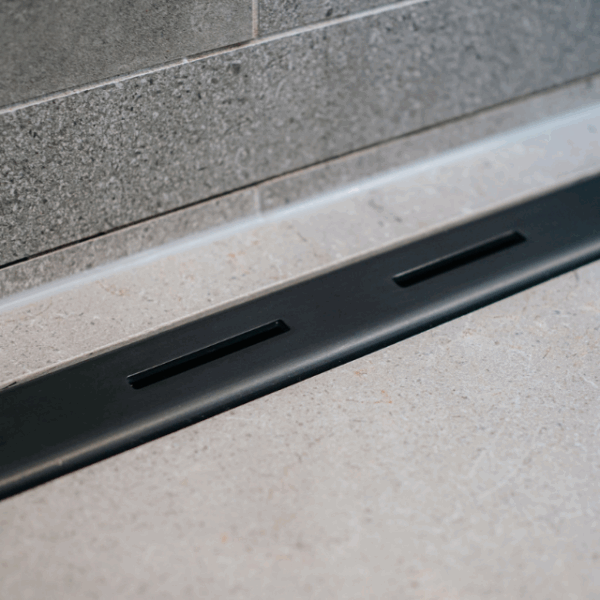
Strip Grate systems are engineered with these considerations in mind. Our grates are installed using spacers to ensure a precise, flush finish with the tiles, eliminating the uneven surfaces that can cause water pooling and stagnation.

More importantly, our collection channel is waterproofed in place before tiles are installed. This allows the system to manage both surface water and subtile moisture. Any water that penetrates beneath the tiles is captured by the waterproofing membrane and directed back into the collection channel, preventing buildup, odours, and long-term damage.


FAQ’S 

Q: Why does my shower drain smell even after cleaning?


A: If odours return after cleaning, the issue is likely deeper than surface debris. It may indicate stagnant water, hidden leaks, or poor drainage design, allowing moisture to sit beneath the tiles.

Q: What is the best homemade drain cleaner for smells?

A: A mixture of one cup of baking soda and one cup of white vinegar is a highly effective, non-toxic way to break down the grime causing bad odours.


Q: Can a smelly drain be fixed without replacing it?


A: In many cases, yes—removing debris and flushing the drain can resolve minor issues. However, if the smell persists, it may be due to structural or installation problems that require a more permanent solution.

Q: What causes water to pool under tiles?

A: Water pooling is often caused by drains installed after tiling, poor waterproofing integration, or uneven grate levels. This can trap moisture beneath the surface, leading to odours, mould, and rising damp.

Q: How do Strip Grate systems prevent these issues?

A: Strip Grate systems are installed before tiling and waterproofed into place, allowing both surface and sub-tile water to drain efficiently back into the collection channel—eliminating stagnant water and preventing long-term damage.

Q: Do your grates sit flush with the tiles?


A: Yes. Our grates are designed to sit perfectly flush with the finished tile surface using spacers to prevent water pooling and ensure a clean, seamless finish.

Q: Do Strip Grates require silicone or packers for installation?

A: No. Our system is engineered to be securely installed without relying on packers or silicone for support, reducing the risk of failure over time.

Q: Are your products compliant with Australian standards?


A: Yes. Our systems are tested to Australian standards and hold WaterMark certification, ensuring quality, safety, and performance.

Q: What is the long-term solution for recurring drain odours?


A: The most effective long-term solution is a properly designed and installed drainage system that prevents water from becoming trapped beneath the tiles—eliminating the source of the odour.


Summary

Strip Grate Australia designs innovative, easy-to-install linear shower grates and drainage systems that combine sleek aesthetics with superior waterproofing and leak prevention. Trusted by builders, architects, and homeowners alike, our certified products are backed by a 10-year warranty, delivering long-lasting performance and complete peace of mind.